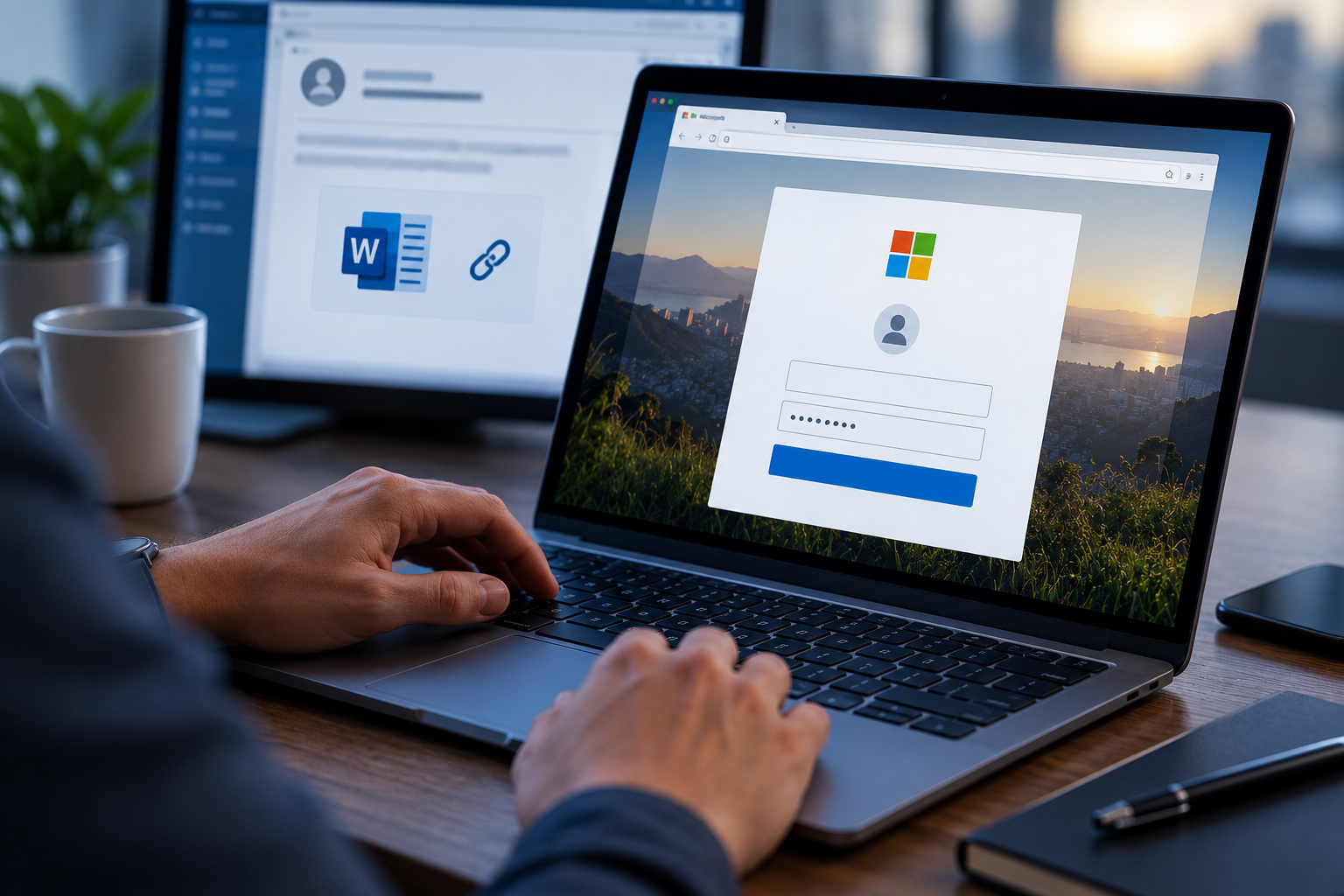


Mistakes happen. You accidentally send a file to the wrong person, or share a link more widely than intended, and that’s how sensitive information ends up where it shouldn’t be.
In that moment, it’s easy to panic and take immediate steps to try and remedy the situation. Unfortunately, that moment of unease is exactly what threat actors wait for. It’s their opportunity to trip you up.
On the other hand, many people also panic about panicking, and try to hide their mistake in the hope that nobody notices.
Neither response helps.
From a compliance standpoint, what matters most is how quickly and correctly you respond.
So What Counts as “Exposing Data”?
Data exposure does not always mean a major breach. It often starts with small, everyday mistakes.
You might send an email with sensitive information to the wrong recipient, share a file with incorrect permissions, or upload company data to an unapproved app. Even third parties with legitimate access to your systems can compromise your data. Any time that you make information accessible to someone who shouldn’t have it, that’s data exposure.
In such cases, most data privacy compliance standards include strict rules about how you should handle such incidents. Your workplace should have systems in place to quickly identify and contain the issue, document what happened, and notify the right people within a specific time frame. Delays make the situation worse. Acting quickly can reduce the overall risk and help the company stay compliant with whatever data laws govern your region, trade and role.
What You Should Do If You Expose Private Data
If you think you have leaked any private data, take these steps right away:
- Stop the exposure – Remove access if possible. Delete the email, revoke the link, or restrict permissions ASAP.
- Report it immediately – Notify your IT or security team as soon as possible.
- Share the details – Explain what was exposed, who may have received it, when it happened, and what you have already done.
- Let the right team handle it – You can help contain the issue, but full investigation and resolution should be handled by your dedicated IT or security teams.
Certain reactions can make the situation worse. Ignoring the issue or assuming it is minor can delay response time, and trying to hide the mistake creates larger compliance problems. Waiting too long to report it, or even continuing to share the exposed data, only increases the overall risk to your network.
Good cyber-compliance depends on transparency and timely responses.
Why This Matters to You
Even small data exposures can create big problems. Your organizations will likely want to log and investigate the incident, report it to regulators or affected parties, and prove that proper response procedures were followed. Failing to respond correctly can lead to financial, legal and reputational penalties, even if the original mistake was an accident.
Act quickly. Report it immediately. Be honest about what happened.
Accidentally exposing data is not the end of the world, but failing to respond properly is where the real problems begin.
Mistakes can happen in any organization. A fast, transparent response is what keeps a small issue from turning into a serious compliance problem!