

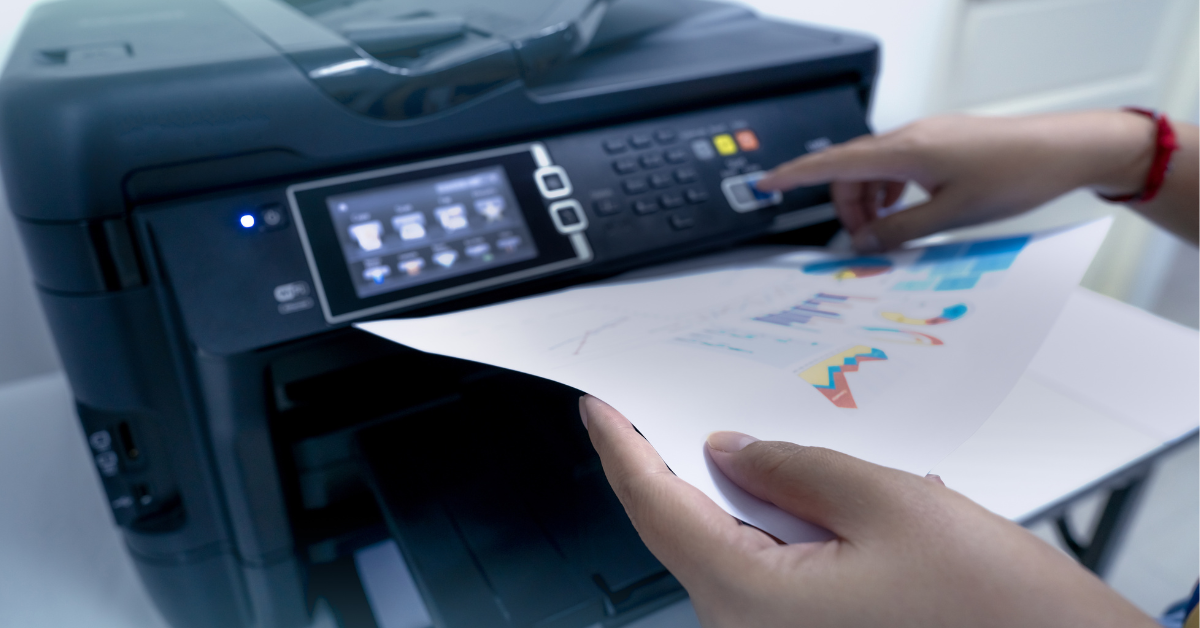
Printing a document feels harmless: Perhaps you need a copy for a meeting, want to review something away from your computer, or simply find it easier to work off of a paper document.
The problem is that once sensitive information leaves your computer and comes out of a printer, many of the security protections surrounding that information just…disappear.
There is no password protecting a piece of paper sitting in the printer tray! Just like with online files, you have to be careful with physical documents that may contain sensitive information.
Digital Data Is Easier to Control
Company systems usually have safeguards designed to control sensitive information.
Access permissions can determine who is allowed to open a file. Audit logs can record who viewed it. Encryption can help protect the information from unauthorized access.
Printed documents do not have those protections.
If you print a customer record, financial report, employee document, or anything else containing Personally Identifiable Information (PII), then anyone who finds that piece of paper may be able to read it.
That creates an unnecessary compliance risk.
The Problem with Forgotten Printers
Think about how often you have printed out a document and then gotten distracted. Maybe someone stopped by your desk. Maybe your phone rang. Perhaps you joined a meeting and completely forgot that you had sent something to the printer by the time it ends.
Meanwhile, your document is sitting in the printer tray where coworkers, visitors, contractors, or anyone else nearby could potentially see it.
Shared office printers make this particularly risky because dozens of people may use the same machine throughout the day. Even if they don’t intend to pry beyond their security access level, somebody could accidentally view the document—and that’s still a risk to the data within.
Paper Still Counts as Protected Data
Cyber-compliance is not limited to digital information. If a physical document contains protected information, then it still requires the same security protections.
Depending on your workplace, that could include:
- Customer or patient information
- Social Security numbers
- Financial records
- Employee information
- Contracts and legal documents
- Account numbers or payment information
Leaving these documents unattended can expose information to people who were never authorized to see it. The fact that the exposure happened on paper instead of through a computer does not make the information any less sensitive.
What Happens After You’re Finished?
Cyber-risk does not disappear when you pick up your document from the printer. You have to think about where the files goes next.
Leaving sensitive paperwork on your desk, tossing it into a regular trash can, or taking it home can all create additional compliance problems.
Organizations may have specific policies explaining how confidential documents should be stored and destroyed. That might mean keeping them in a locked cabinet, or using a secure shredding bin when they are no longer needed. If you’re unsure of your organization’s policy on proper document disposal, ask now and not during an emergency.
These rules exist because throwing away a document does not make the information printed on it disappear.
Printing With a Purpose
We can’t stop printing documents altogether, but you should stop and think before you click Print.
Here are a few good habits that can make a big difference to your ongoing cyber-hygiene:
- Only print sensitive information when you actually need a physical copy.
- Pick documents up from the printer immediately.
- Use secure or PIN-protected printing if your workplace provides it.
- Never leave confidential paperwork unattended in shared spaces.
- Follow your company’s procedures for storing and destroying printed records.
If you are not sure how a document should be handled, then ask before printing it.
Conclusion
We spend so much time talking about digital security that sometimes we forget how much sensitive information still exists on paper. Documents do not stop containing protected information just because you printed it.
Treat confidential paperwork with the same care you would give the digital version. Pick it up promptly, keep it somewhere secure, and dispose of it properly when you no longer need it.
Sometimes, staying compliant is as simple as remembering what you left sitting in the printer tray.